

Market Research at InSummit Poland: Growth, AI Reality Checks, and the Dashboard Perception Gap
1 October 2025
INSUMMIT
is a Poland-based market research and insights conference bringing together research agencies, insight leaders, data providers, and technology companies from Central and Eastern Europe. The event focuses on research innovation, analytics, methodology, and practical challenges in delivering insights today.
Rather than publishing a generic event recap, we wanted to capture what actually stood out: how the market is evolving, where expectations around AI and tools are settling, and why certain parts of the research delivery process still feel harder than they should.
Industry events are useful not because they predict the future, but because they surface the same operational problems across many conversations.
After attending InSummit in Poland, one thing became clear: the market research industry is not struggling with ideas — it’s struggling with delivery.
Below is what the signals from the event mean in practice for research agencies and insight teams today.
Val Sokolovsky, DataTile Business Development Director, attended InSummit this time.
Val works at the intersection of market research, research delivery, and analytics. With a background at ACNielsen and years of hands-on work with research agencies across Europe and beyond, he has helped teams rethink how insights are produced, updated, and shared.
Valentin’s focus is not on tools for their own sake, but on reducing manual work and making research outputs easier for clients to actually use.
That perspective is what he brought to InSummit — and why his observations resonate with agencies facing growing pressure to deliver faster without compromising quality.

Faster research delivery is now expected — not exceptional
Across agencies of all sizes, expectations have shifted:
- shorter turnaround times are assumed
- revisions are expected immediately
- recurring studies must update without restarting the workflow
This is not about methodology or sampling quality — it’s about how insights are delivered once the data is ready.
The pressure point has moved downstream: from how research is run → to how insights are packaged, updated, and shared.
For many agencies, this is where margins erode:
- manual rework
- duplicated effort
- endless “one more cut” requests
Skepticism toward hype is growing — buyers want proof, not promises
Another clear signal: clients are increasingly cautious. New tools are no longer evaluated on:
- how innovative they sound
- how advanced the technology is
Instead, buyers ask:
- Does this help us deliver consumer insights faster?
- Does it reduce rework?
- Does it actually get used by stakeholders?
This skepticism doesn’t block adoption — it raises the bar. Agencies that can clearly demonstrate operational value gain trust faster than those that lead with buzzwords.
The real confusion: analytics, BI, and client-ready dashboards
One recurring problem is language. In conversations with agencies, the same terms are often used to describe very different things:
- research analytics → analytical work done by researchers
- business intelligence tools → IT-heavy platforms built for internal data teams
- client-ready dashboards → outputs designed for decision-makers
When everything is labelled “analytics” or “BI”, dashboards inherit the wrong expectations:
- complex
- expensive
- slow to implement
This confusion makes it harder for agencies to explain value — even when the underlying solution is simple.
Interactive dashboards are still misunderstood
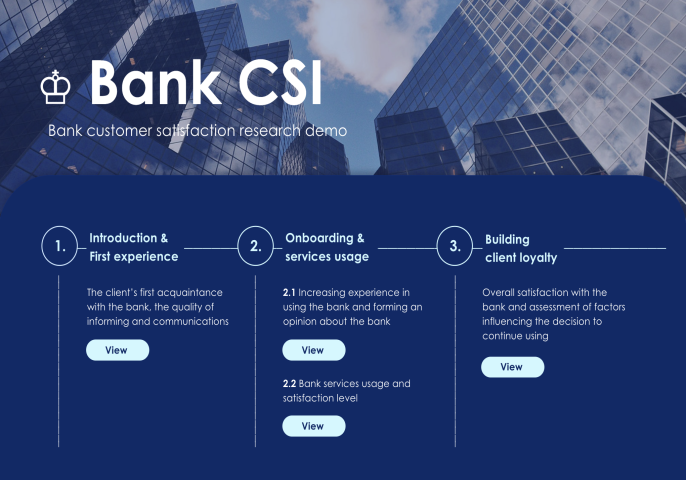
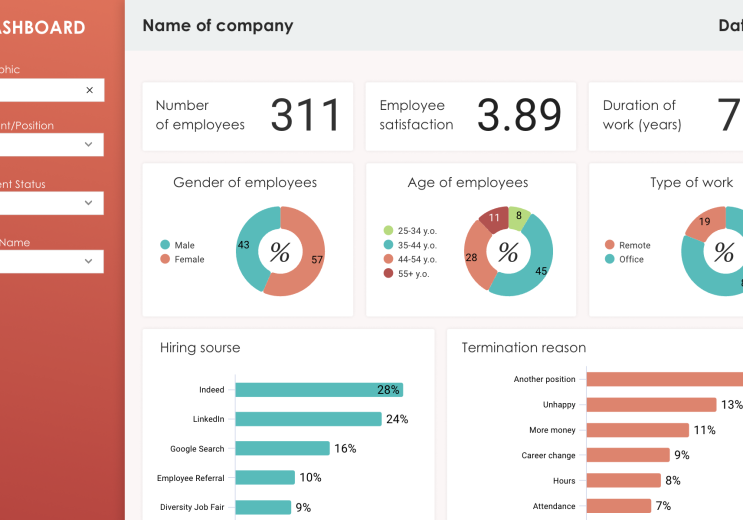
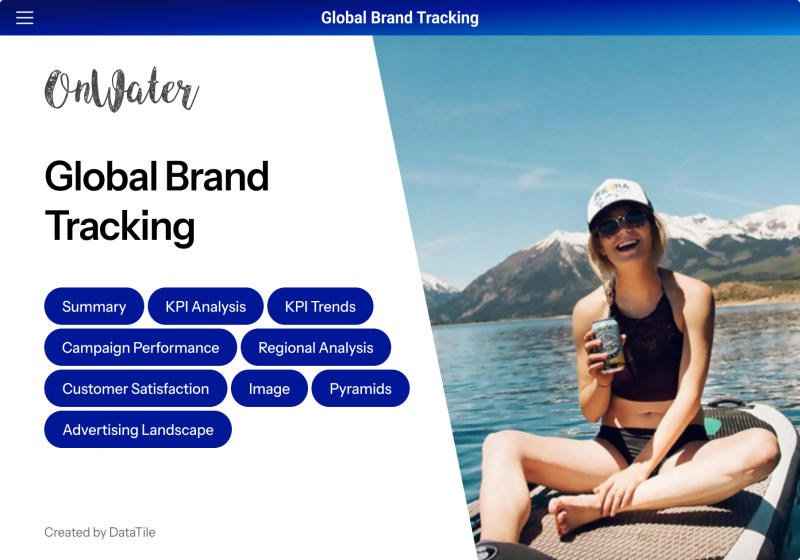
Many agencies still associate dashboards with large enterprise BI projects. In practice, interactive dashboards used in research are often much closer to:
- a better way to deliver trackers
- a cleaner alternative to static decks
- a scalable format for recurring studies
Survey dashboards, in particular, are increasingly used not to “replace analysis”, but to:
- reduce reporting cycles
- limit manual edits
- give clients controlled access to results
The challenge is not capability — it’s positioning.
Data visualisation is not the problem — context is
Most agencies already do strong data visualisation. The issue is not charts or design quality. The issue is context:
- who the output is for
- how often it needs to update
- how it fits into the client’s decision process
When dashboards are framed as infrastructure for research delivery, rather than technology projects, the conversation changes — and adoption becomes easier.

One reflection from the event
During InSummit, Val Sokolovsky, Business Development Director, captured this tension from the Polish market particularly clearly — especially around dashboards and how difficult they are to explain without sounding sales-driven.
The research market is growing from all directions.
Big agencies are expanding, local agencies are growing, and I meet names that were entirely new for me (maybe these are new agencies, but maybe it's a reminder that my bubble isn't the whole market).
The good thing is that we're growing faster than the economy overall. That feels good.
No silver bullet in sight
Remember when #SocialMediaListening was supposed to change everything? It's helpful, sure, but it turned out to be neither as fast nor as accurate as the hype promised.
Last year, everyone was talking about AI, and it's the same story. It's not replacing research; it's just another tool. A necessary tool, but now clients discuss #AI limitations more than they do success stories. Interestingly, brands and agencies view it in different use cases. Also, AI adoption here is slower than expected, partly because there aren't enough #LLMs that handle Polish well. Hope that will be changing.
Here’s where I’m stuck: dashboards.
My personal observation from the Polish market — #dashboards are still seen as something complex, expensive, and "too much" for everyday work. They're really not. But every time I try to explain this, I feel like I'm slipping into sales mode. That's not about my skills; it's because we still use the exact words to describe quite different things.
How to talk about something you genuinely believe solves real problems without sounding like you're just trying to sell it? I don't have the answer yet.
What agencies can take away
The takeaway from InSummit is not about tools. It’s about alignment. Agencies that win going forward will be those that can:
- talk clearly about research delivery, not just research quality
- separate research analytics from heavyweight business intelligence tools
- position interactive survey dashboards as practical outputs, not complex systems
This isn’t about selling software.
It’s about removing friction between insight generation and insight use.

Talk to our team
DataTile professionals will answer all your questions and help you choose the best option for your business.